About us
About MQC
A small consultancy working across five service lines — workplace, engineering, consulting, operations and insights — and running the result on its own infrastructure.
Draft. The company story and the history are still to be written. What is below is real.
What we do
Five service lines. They are the same five you can filter the projects by, and the same five in the footer — one set of names for one set of work, so that a badge on a project card means what this page says it means.
Workplace
Microsoft 365 and Google Workspace: the platform people are actually inside all day.
Migrations are the start of the work, not the work. What follows — or often comes first — is what stays: putting security, compliance and governance in place; making the environment operable for administrators and better for the people using it; adding what is not there out of the box, and integrating third-party tools properly. A good part of that is SharePoint itself — intranets, employee portals and other builds, from conception through design to rollout. As long as configuration, customising and scripting carry it, the work stays here; where they stop, engineering takes over. Safe and suitable is the floor rather than the goal: the question is whether somebody can find what they need without having to ask a colleague who happens to know.
Engineering
Where configuration and customising stop being enough.
Planning, designing and building on whatever the problem calls for: out of the box first, then low-code, then real code, and AI where it earns its place rather than where it sells. Right now that mostly means agents and automations joining several systems together, running on infrastructure we operate — because an agent is precisely the case where whose service the data passes through stops being a footnote. We do not build when we do not have to, which is the only reason that line is worth drawing. Plenty of it has nothing to do with a workplace at all — modernising applications, automating processes, digitalisation across very different industries and departments, from the routine somebody repeats forty times a week to the process that crosses the whole company.
Consulting
Project management and rollout for workplace and engineering work, advisory on governance and compliance (information security, data protection, regulatory requirements), M&A and post-merger integration, modernisation strategy, AI advisory.
Organisations are built for their day-to-day, not for projects: a rollout needs different structures, different channels and a way of working that cuts across the org chart and team boundaries — which is why we are so often asked for exactly this part, and for taking the change to the people it lands on. What comes out of it is decisions and structures; implementing the rules defined along the way is workplace or engineering again. We call the method Mindful Practice, which is less mystical than it sounds: look at the problem from more than one side, weigh the options against what each one actually costs, then decide and get on with it.
Operations
Running and supporting what is live: managed application services, and with them Azure, Azure DevOps and the workplace platform itself.
Not a technology area but a phase — it starts on the day a project ends, and it applies to whatever the other four built. That is exactly what separates it from workplace: there the work is an undertaking with a beginning, an end and a deliverable — a migration, a feature, an integration. Here it is a state somebody keeps. Building something and handing it to somebody who has never seen it before is how good work quietly stops working.
Insights
BI, reports and dashboards, data modelling, data governance and the architecture of data-driven solutions.
Increasingly with AI: to prepare the data, and to find something in it that a query would never have found — an inefficiency in a process, a pattern nobody went looking for. And not only backwards: the more interesting half is the part that supports a decision or makes a forecast worth trusting. The test is the same either way — whether a number changes what anybody does. A dashboard that is read once a quarter and acted on never is a report nobody asked for.
Each of those is a filter on the projects, where the work itself is written up — including the parts that went sideways.
The solutions are a different thing, and a smaller one. They are tools we built for ourselves and then passed on — not the core business, and this page would misrepresent us if they were the only thing on it.
How we work
Small teams, direct contact, no account manager between you and the people writing the code. Everyone here can read a stack trace, which is why this website is a git repository rather than a CMS.
Every transformation is a joint team rather than a supplier and a client. Open communication, all the stakeholders in the room, and knowledge that stays behind when we leave. You should not miss us at the end because nobody understands what was built. You should miss us because the work was good company.
Where things run
On infrastructure we operate ourselves — the same STACKIT and Kubernetes setup we hand to customers. Running our own delivery stack is the only honest way to recommend it.
What we value
Four words, and the usual problem with them: a values list that cannot be failed is decoration. These are meant to be the other kind. Each one is supposed to rule something out, and you should be able to tell when we have not managed it.
- Trust. We take colleagues, customers and partners at their word and act on it, rather than routing everything through a second approval. That is faster, and once in a while it costs us. We would still rather be the ones who extend it first, because the alternative is a business built on checking each other.
- Ownership. A piece of work is ours until it works, not until it is handed over. That includes the part nobody scoped, the follow-up nobody asked for, and the write-up of the bit that went sideways. If we built it, our name is still on it in three years.
- Relevance. Every project should be missed if it stopped. If we cannot say what a thing changes for the people using it, it is the wrong thing to build — and saying so out loud costs us the invoice, which is rather the point. The same test applies outside the invoice: some of our time goes to work that has nothing to do with winning any of it — the oldest piece of it is on the partners page.
- Coolness. The one that reads as filler on a values slide, so: two specific things. We look off the obvious path for the answer, because the obvious answer is usually somebody else's product. And we stay good company while doing it — under a deadline, during an incident, in the third workshop about the same field. Nobody does their best work tense.
Who we are
Eleven people. No headshots — the heart and soul of MQC.

abigel · executive consultant · workplace 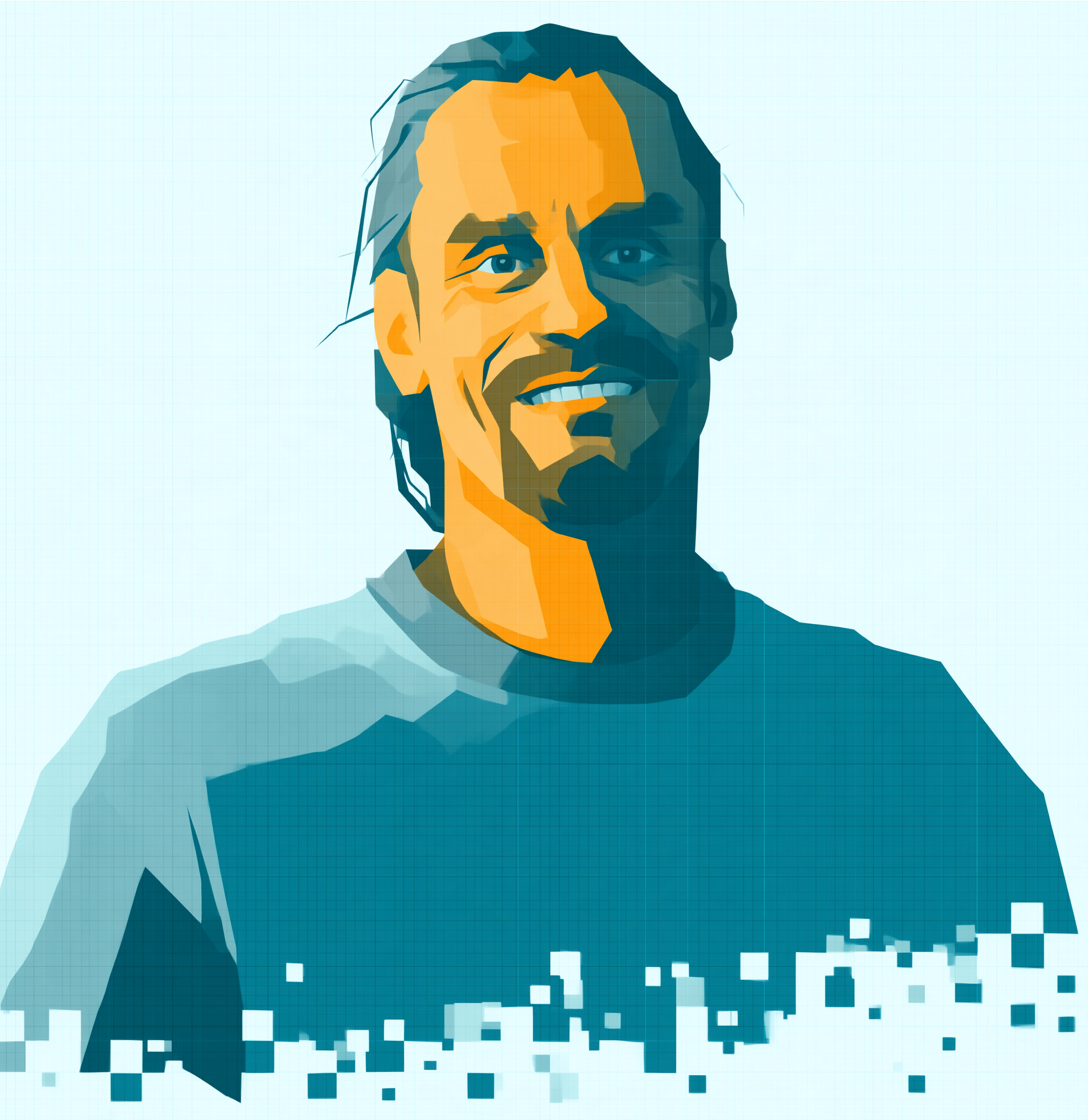
alex · boss · consulting 
annika · boss · consulting 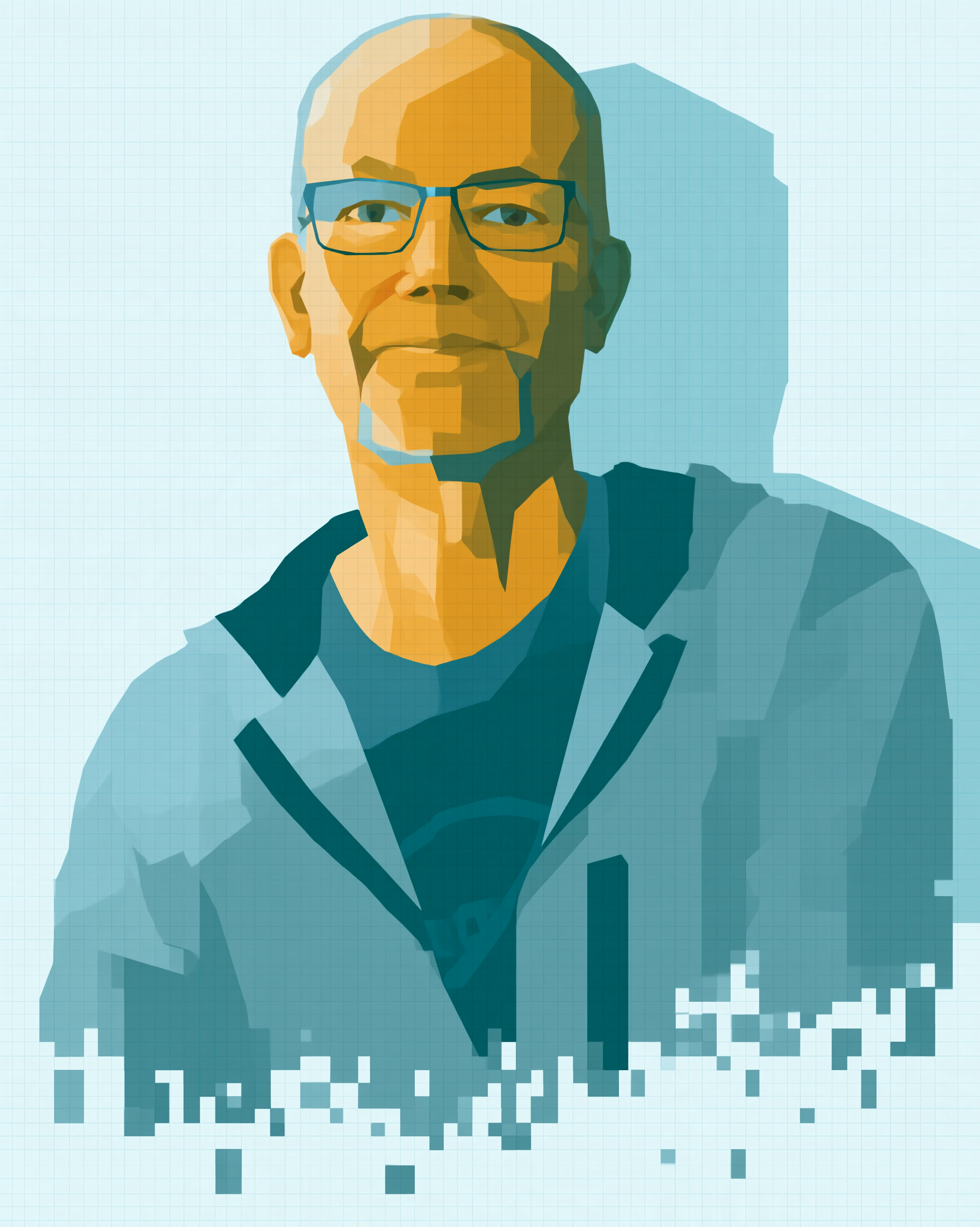
bernd · director · operations 
christian · senior consultant · insights 
christiane · senior consultant · engineering 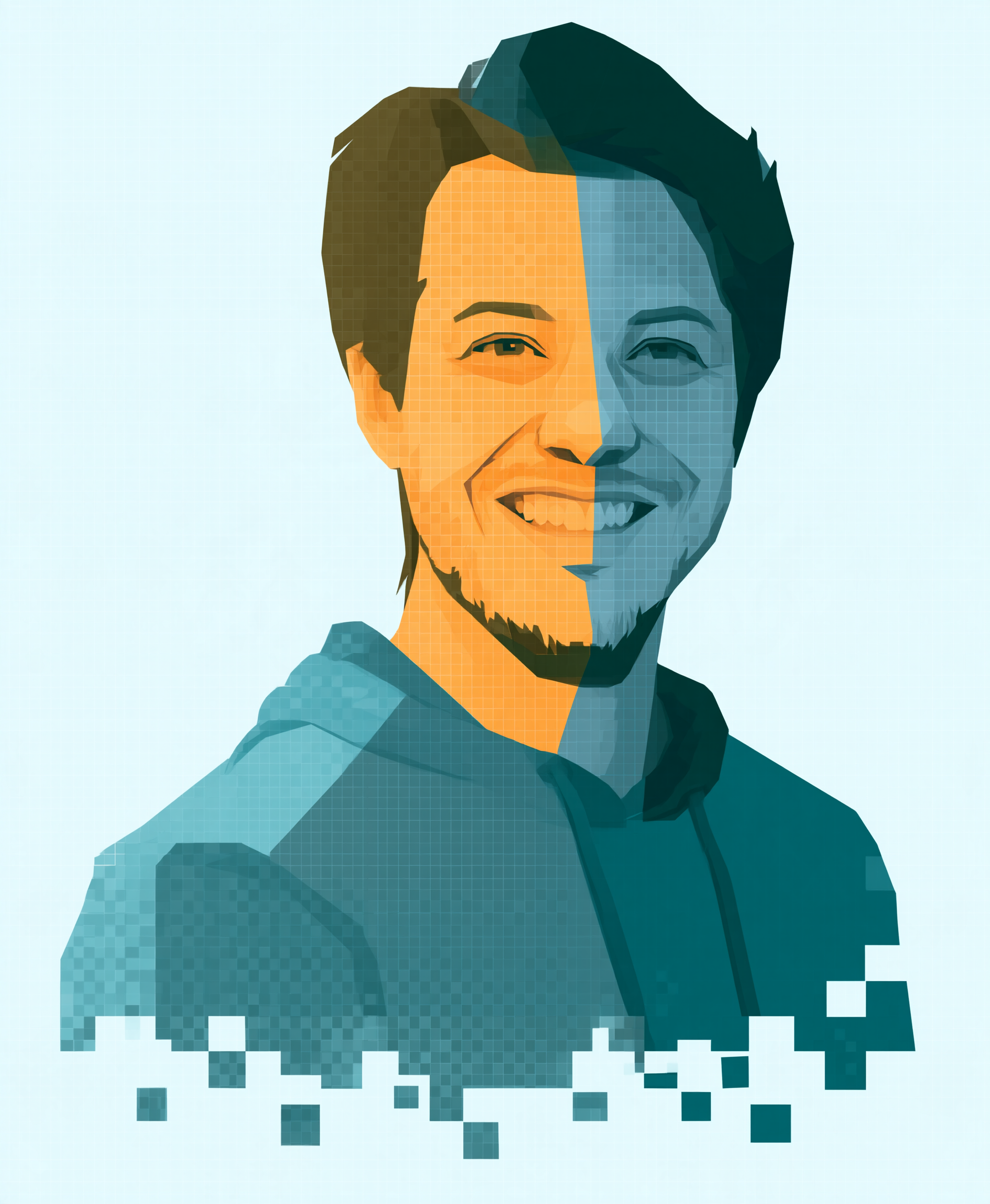
dominik · lead consultant · workplace 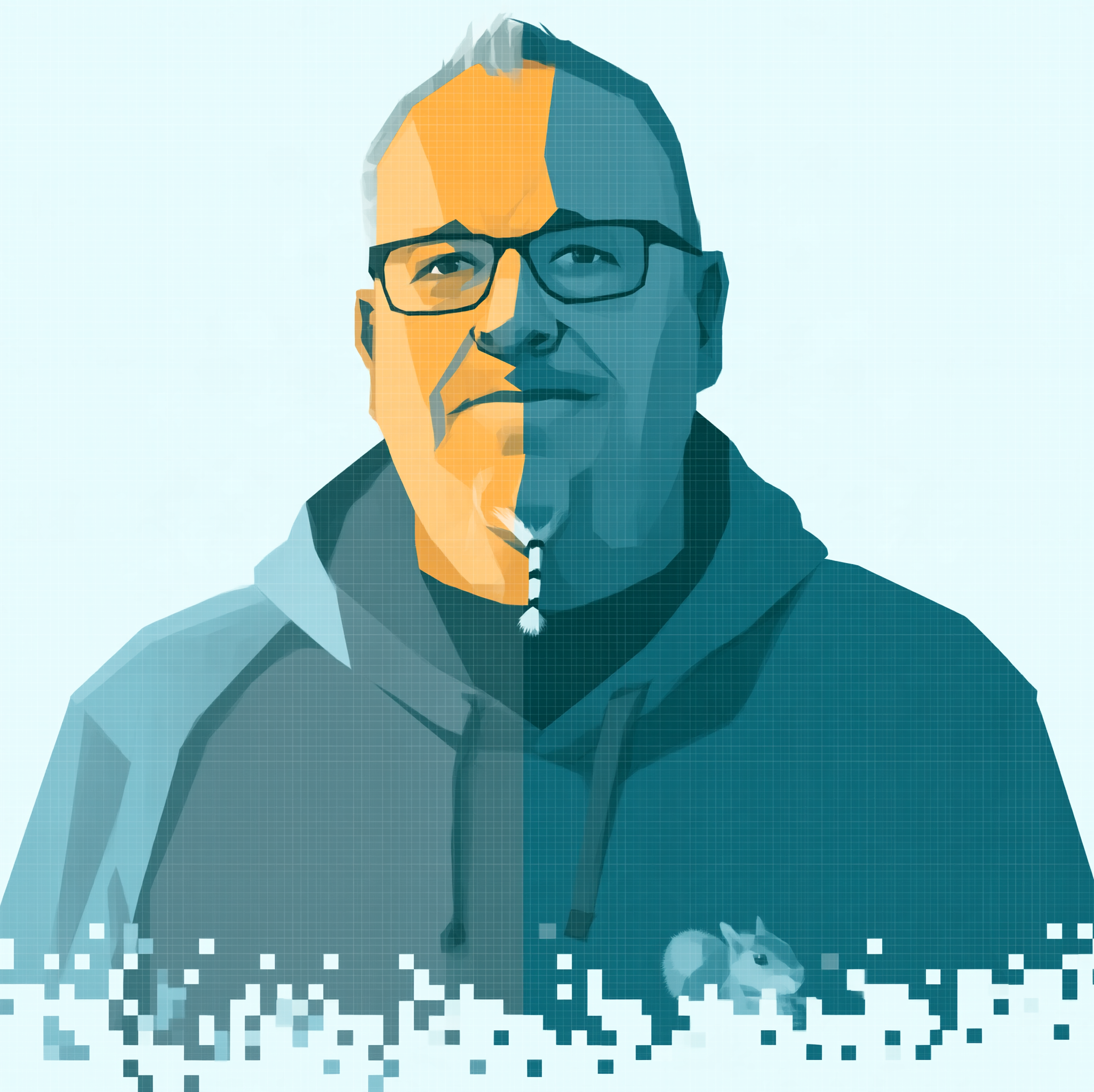
frank · executive consultant · workplace 
ihab · senior consultant · operations 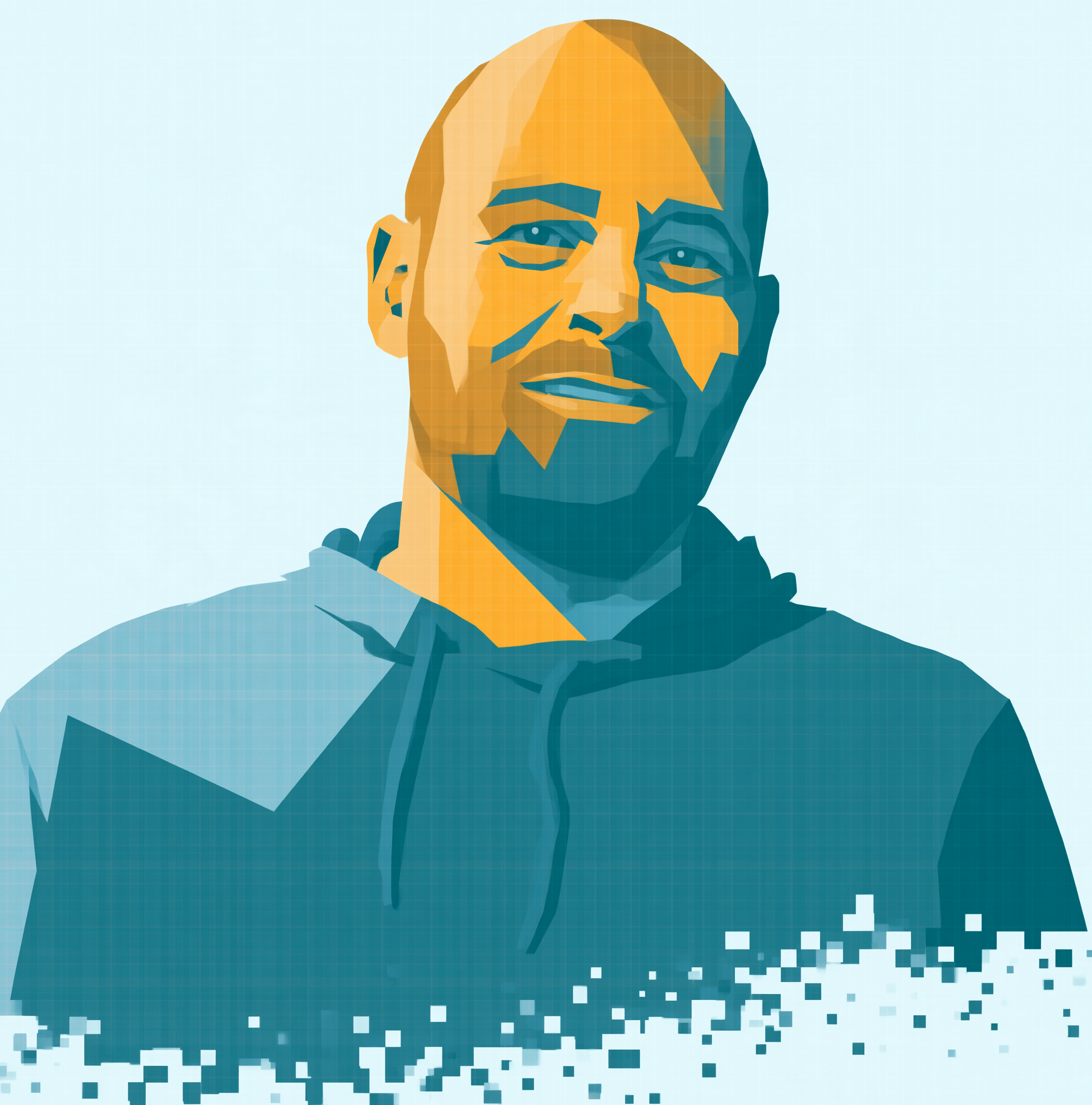
jörg · director · engineering 
sascha · lead consultant · engineering